Giclée vs Photo Prints: What Is the Difference for Artwork?
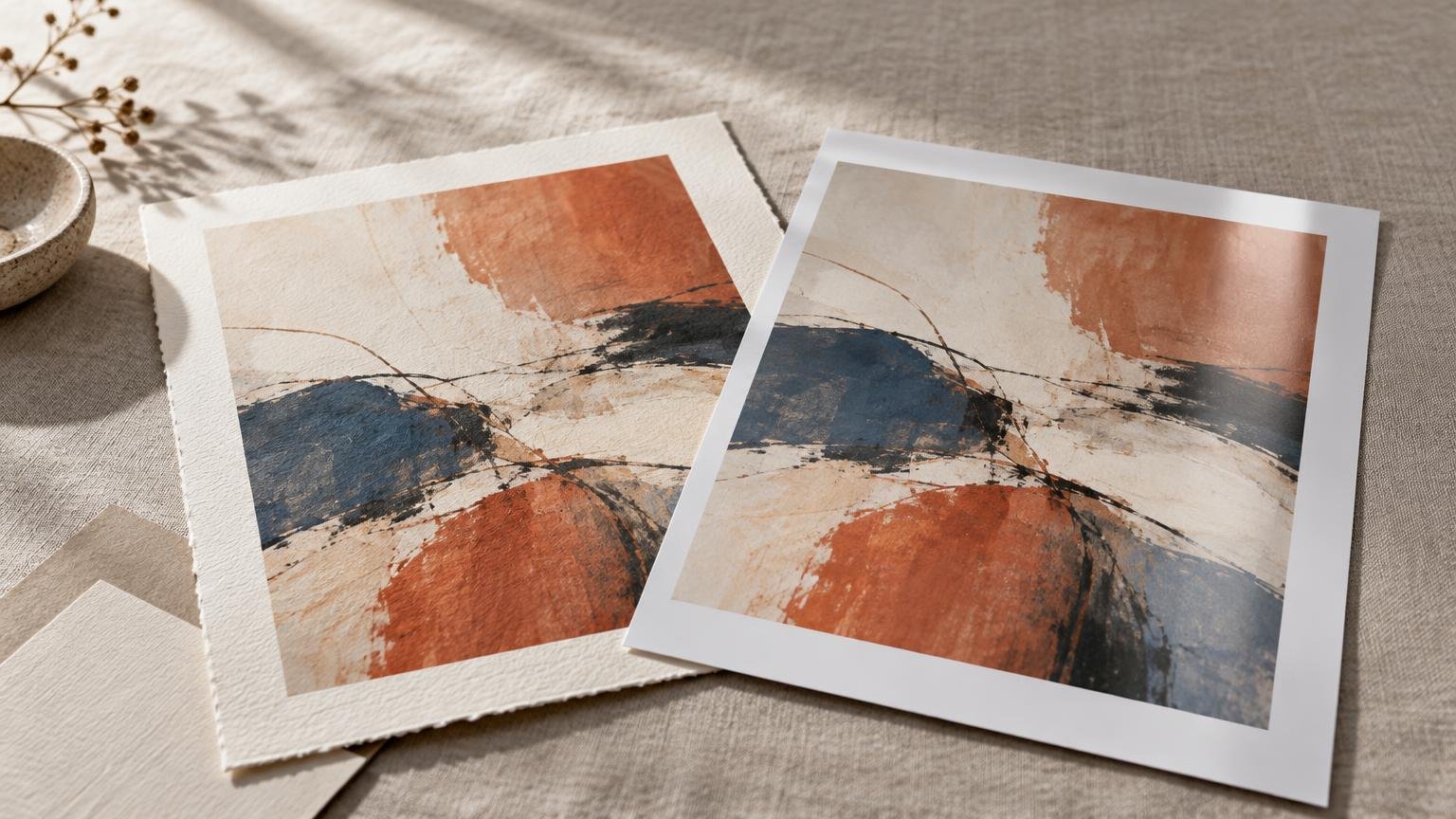
Giclée usually describes an inkjet fine-art print, while photo print can describe several processes. Choose by the surface, materials and result your artwork needs.

 Art Prints
Giclée usually describes an inkjet fine-art print, while photo print can describe several processes. Choose by the surface, materials and result your artwork needs.
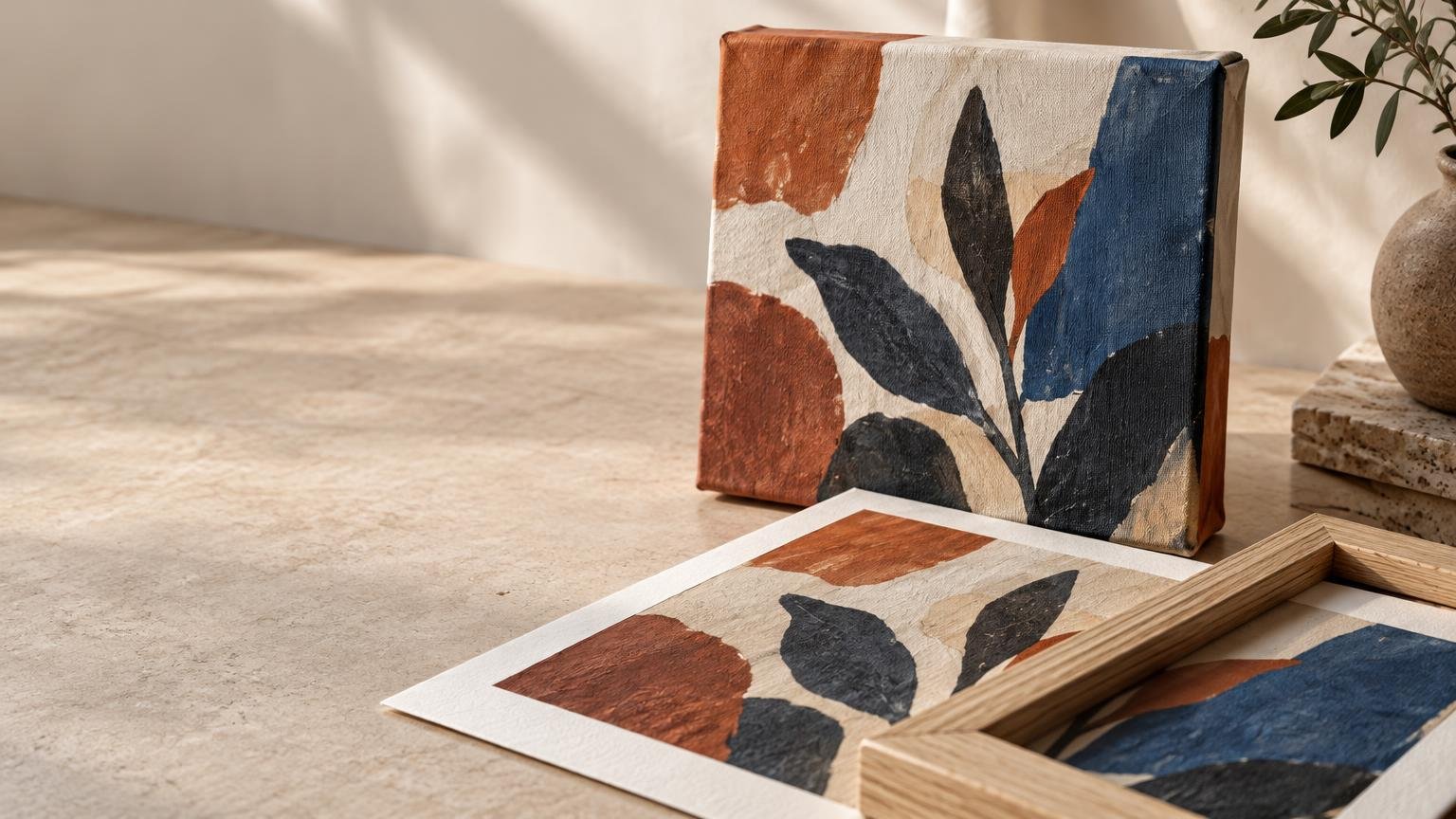
Canvas gives a reproduction a substantial, painting-like presence, while fine-art paper usually offers more control over texture, detail, and framing. The right choice is the surface that supports the character of the original rather than competing with it.
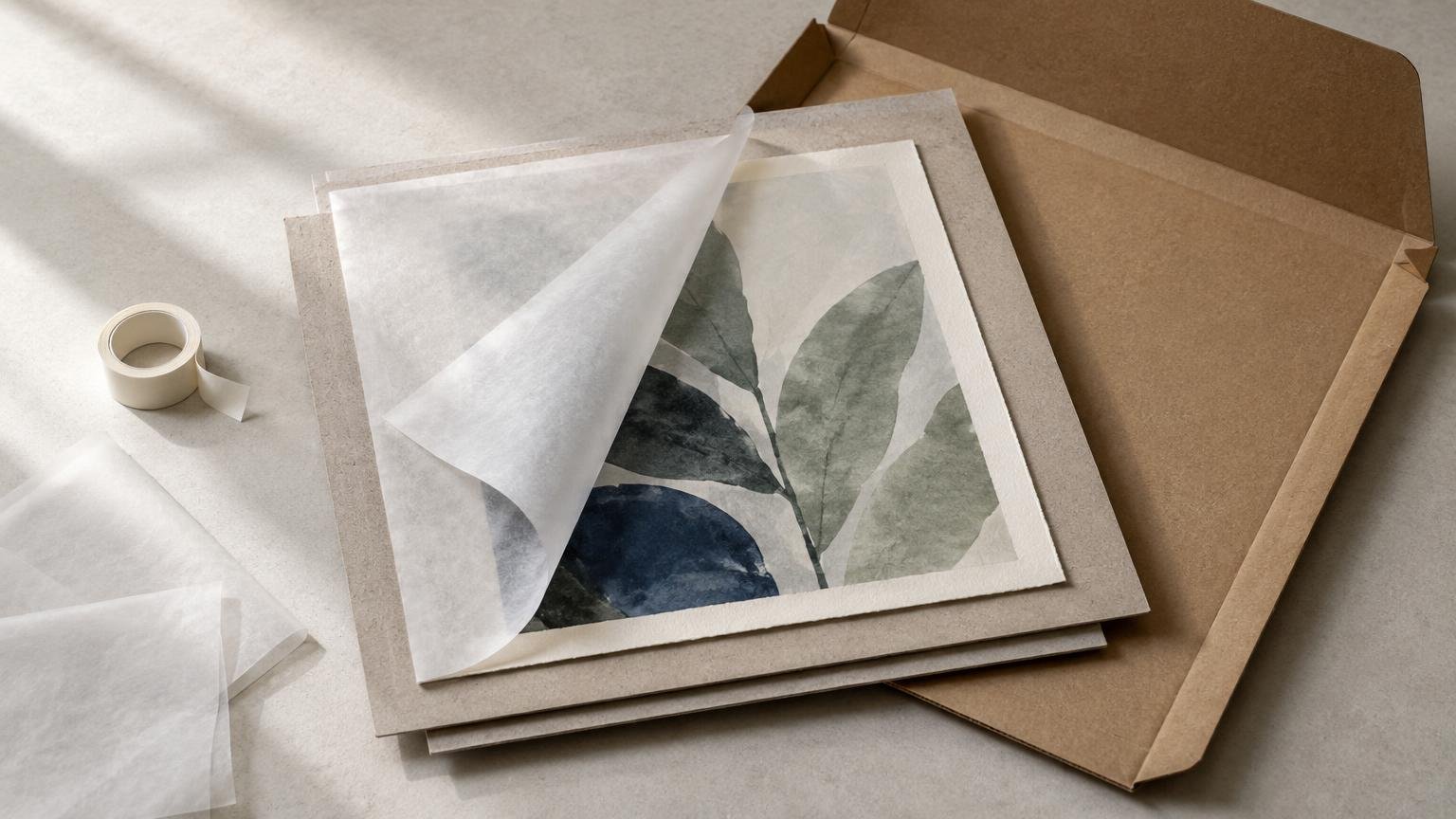
Protect the printed surface first, then prevent the entire package from flexing. This practical packing method helps unframed art prints arrive flat, clean and ready to frame.
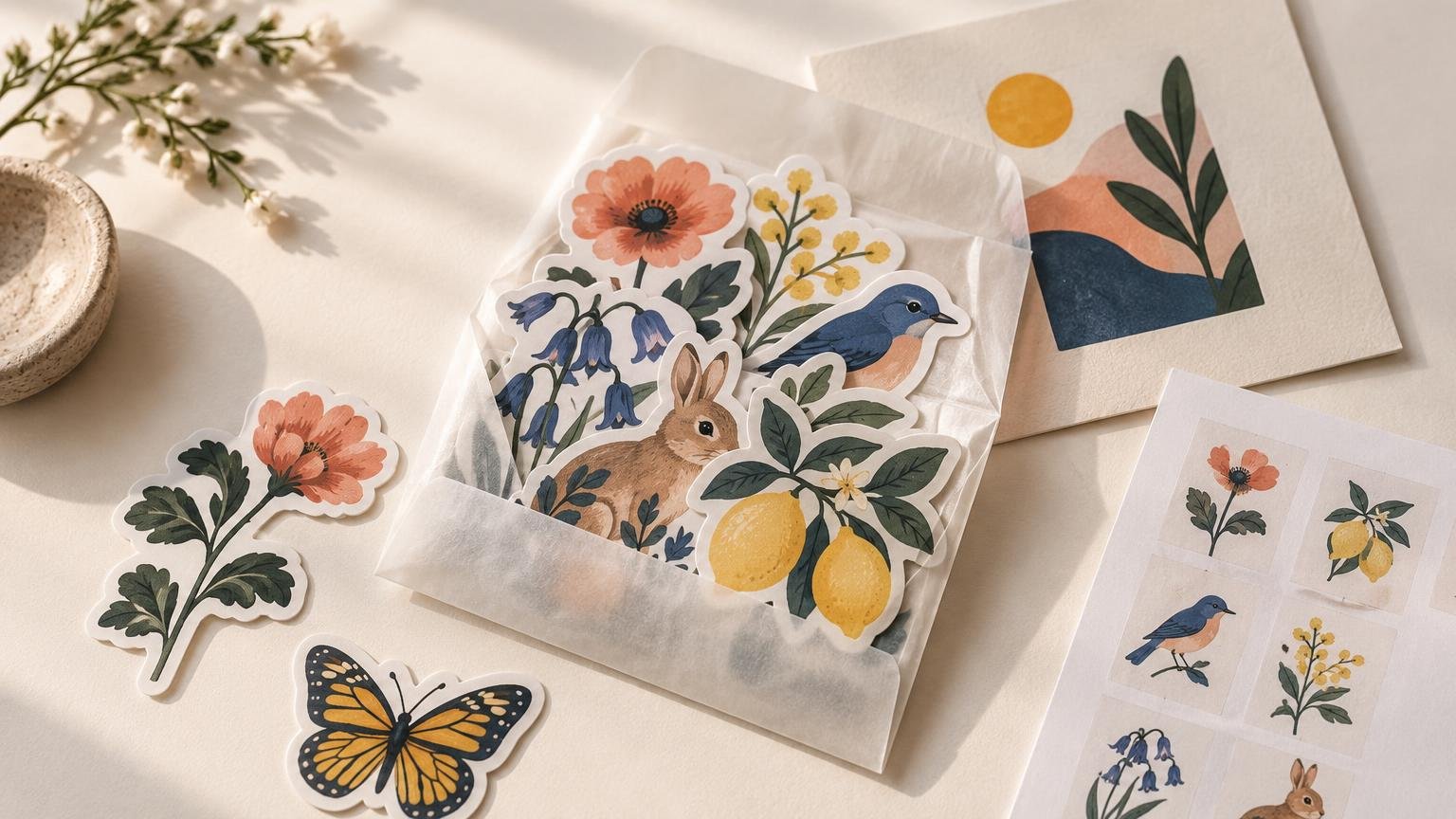
A practical artist-to-product workflow for turning illustrations into cohesive, print-ready sticker packs with thoughtful packaging and sensible pricing.
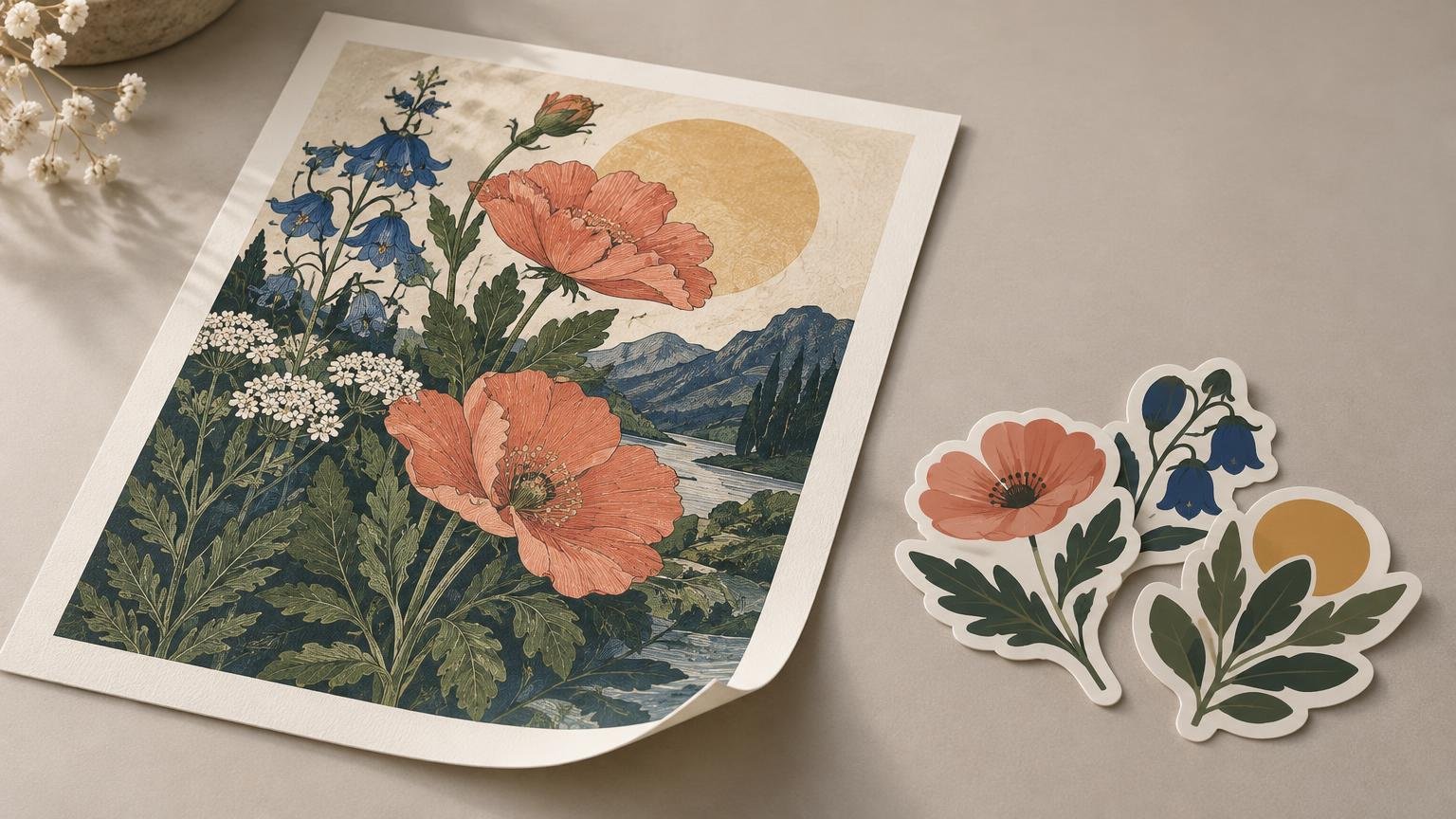
Choose art prints for detail, scale, and wall display; choose stickers for bold designs that remain clear at a small size. This guide helps artists build a focused merch assortment.
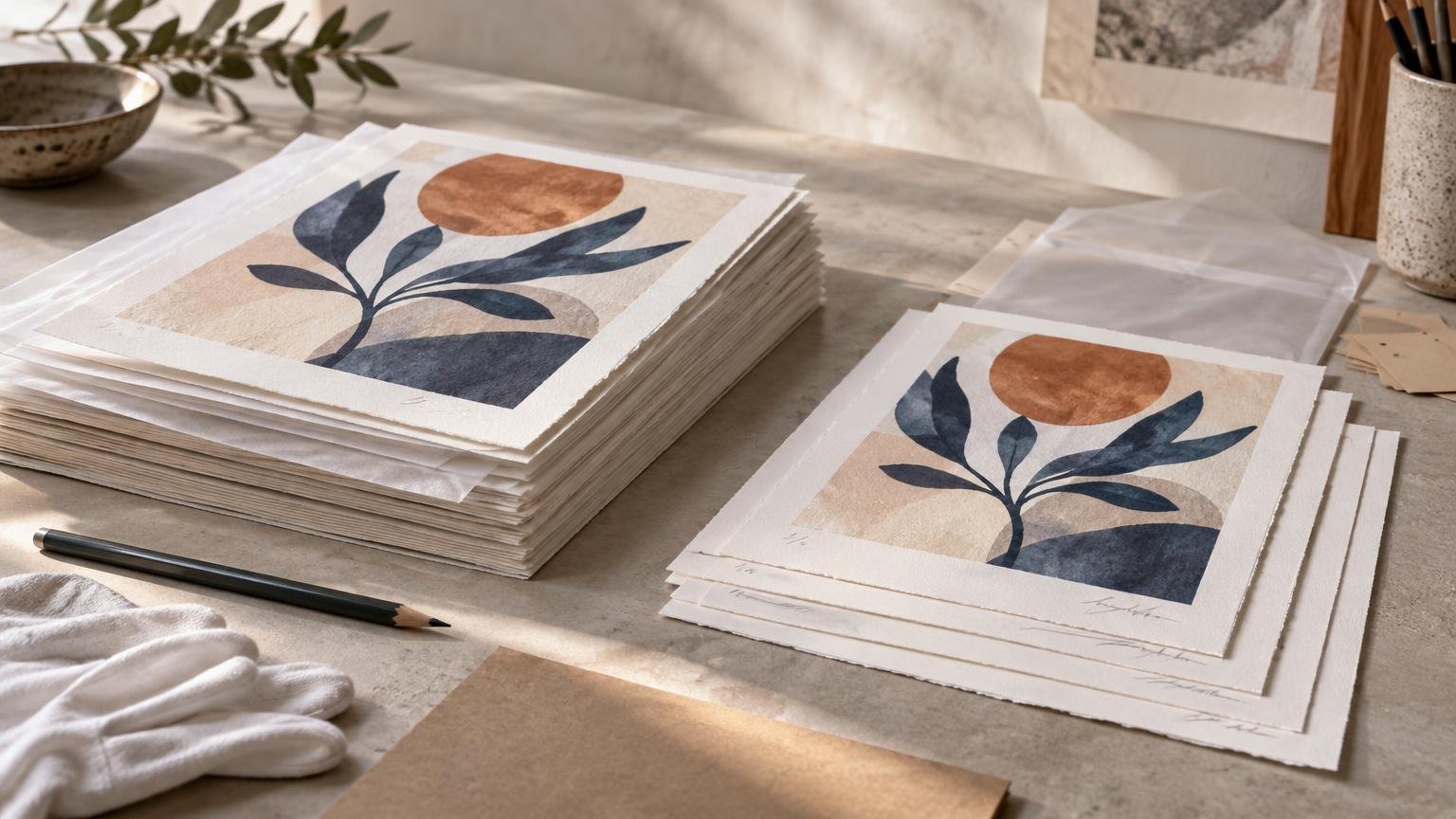
Open editions remain available without a stated production cap, while limited editions have a fixed maximum quantity. Learn how that choice affects availability, documentation, production, and buyer expectations without confusing scarcity with print quality.
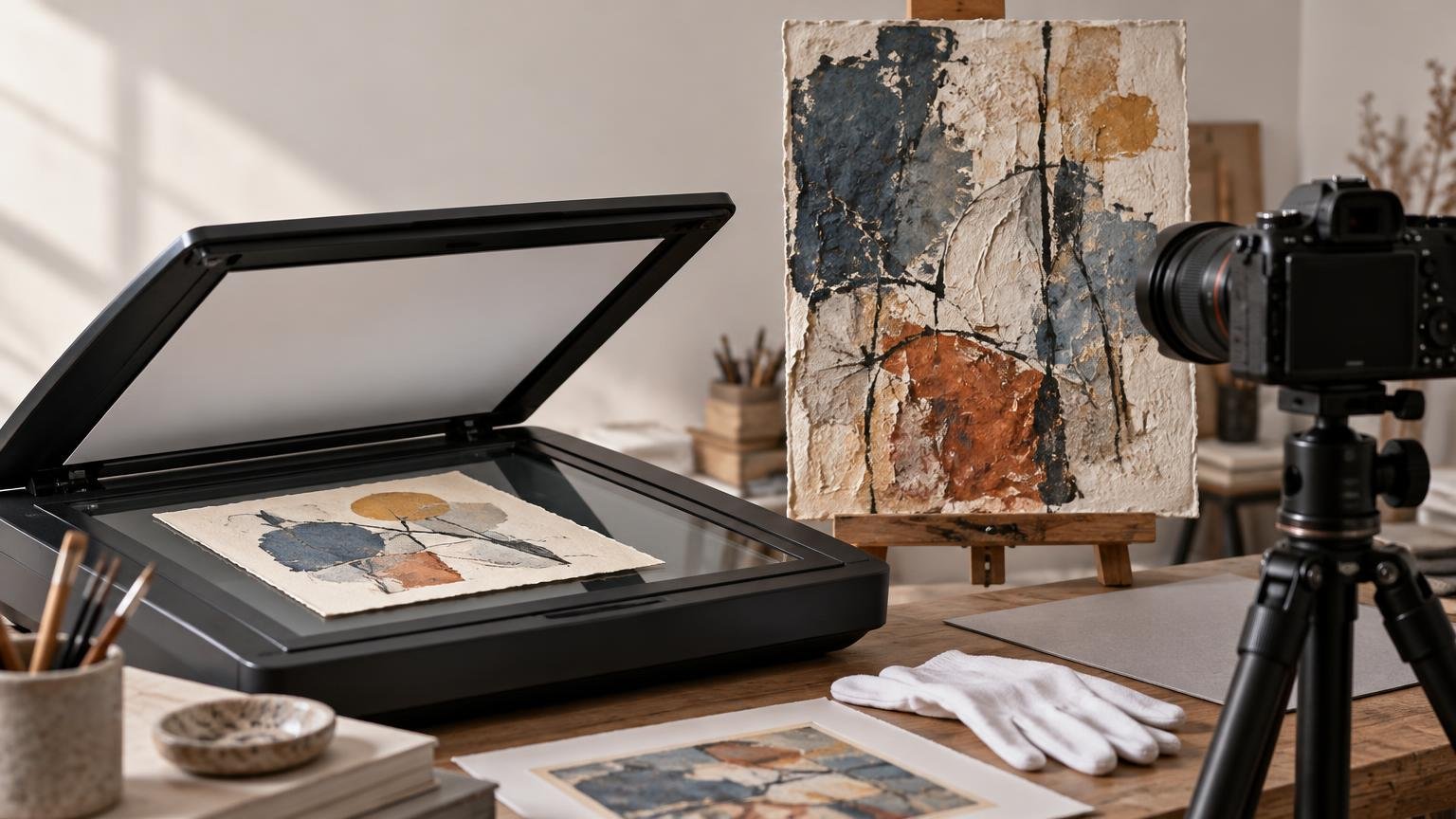
Scan small, flat, low-sheen artwork when it can rest safely on the scanner bed. Photograph oversized, textured, glossy, framed, dimensional, or fragile work. This guide explains how to choose, plan resolution, and proof the result.
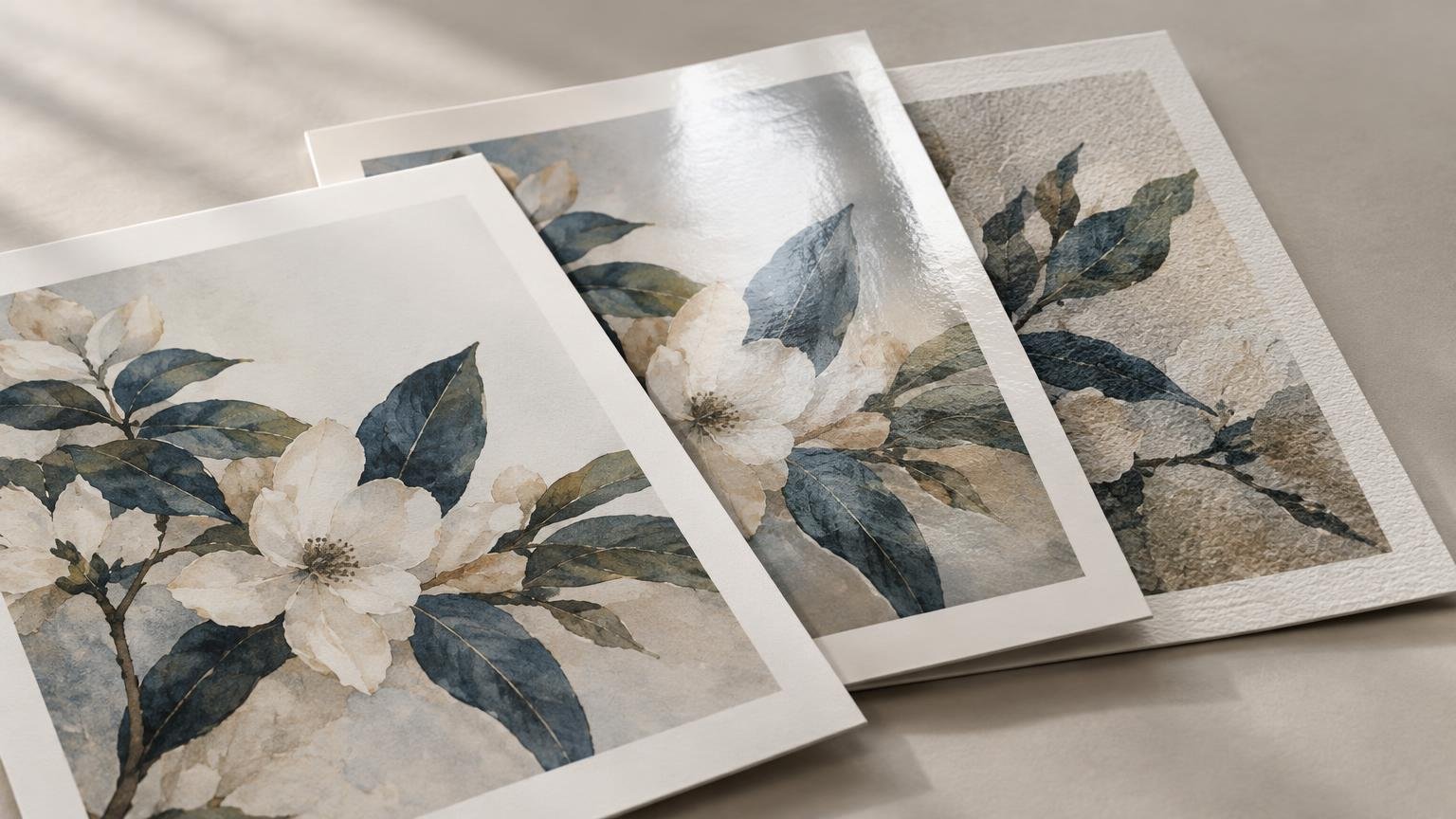
Smooth matte is a versatile, low-glare choice; satin or gloss adds a polished surface; and textured matte can echo the character of traditional media. Here is how to choose by artwork, display conditions, and final-size proofs.
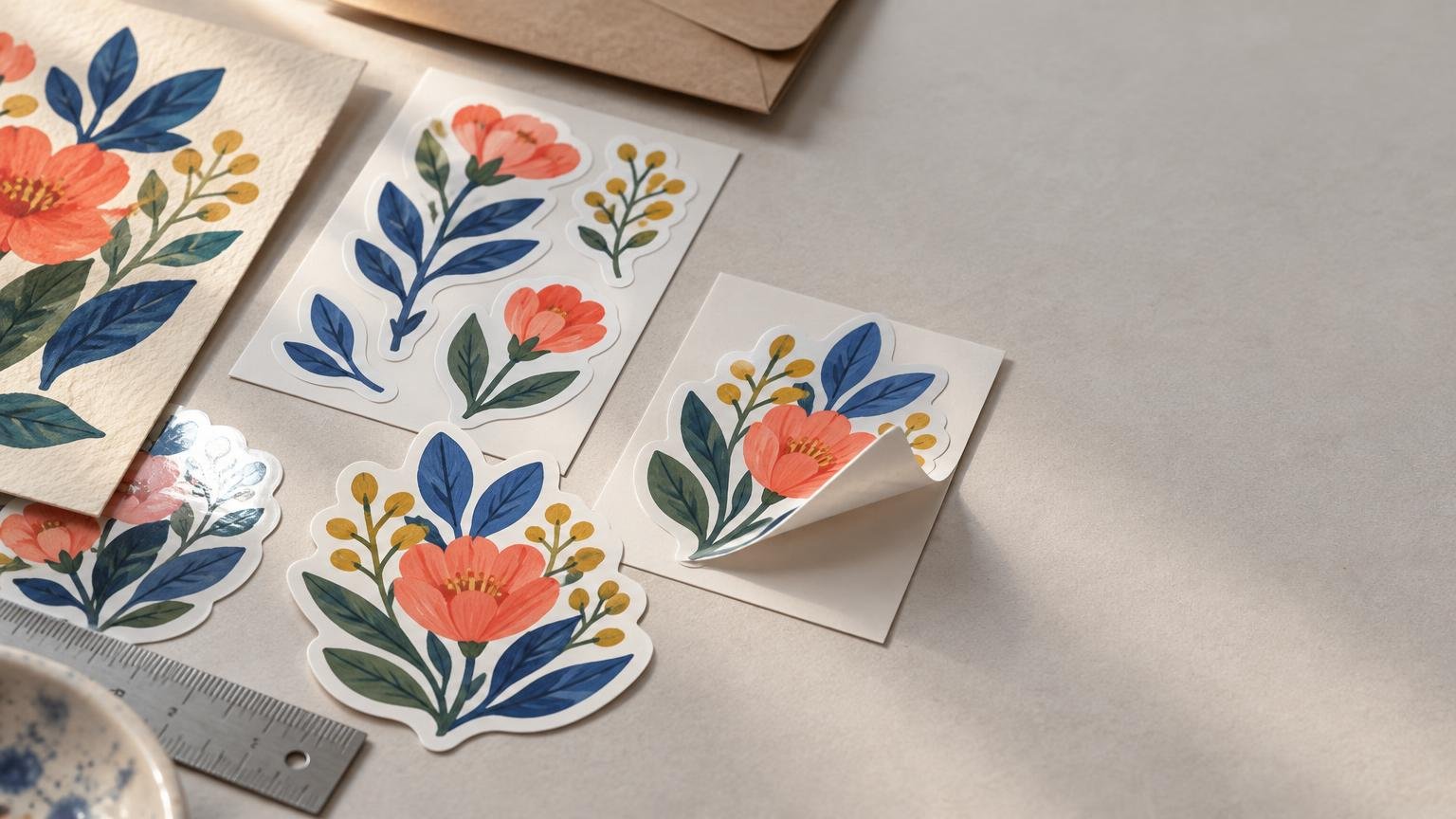
A practical guide to choosing sticker formats, materials, finishes, file specifications, test quantities, and printing vendors for artist merchandise.